
in the middle of the euphoria of the magna charta of freedom of speech and freedom of information- we often forgotten the reason why the number is so rare is because there are some trade off traits, and the unnecessary exposures without credible and reliable responsibility by every “oknums” for whatever reasons could give the raerity of the population to actual extinction
Author: asianjasmineyoga
as an #isis bomb and bayat proof reader thought… “it was written in my mother language…”
My name is Iir, i am an indonesian malay from borneo and a divorcee, and had been living alone for the last 9 years. i am a moslem.
i translated molotv bomb. i also proofread isis bomb. as the australian embassy vehicle bomb exploded, i was sitting outside in a cafe with the attache of defence of australian embassy. I was sipping my coffee, when his pager rang.
i had been nearly entire of my life hiding i am asperges. And were raped into vaginal bleeding when i was 6 years old. My sister were shot on the head with a shotgun palets when i was 4-5 years old. she survived. i still remember her blue hairband turned into red.
I had domestic violence experienced with my ex hisband – but cambridge system thought wasnt. Not enough evidence apparently – despite the financial abuse and such protection . British and Australian can be very discriminative and racist sometime – no different with Indonesian. Strange tho it srill happened in such places of #cambridge and #London – and his family and his carier and his lover still continue.
mine is not.
i was bleeding with different man after. Romanian. and as well he believed it was good to put his thumb into my ars. I dont know why he think its okay. then bleeding for months, no one told him i was pregnant. or rather – my body seems unable to keep it and get rid of it for months with vaginal bleeding. i told to the social media – cambridge and europol and metropol dies not seems to do anything – despite how many years i had been compliance toward #isisbomb
I was also treated as the same as a hooker sometime when i was in Java – as well as when i was at my parents in borneo. they licked their lips and wink their eyes and gave hand gesture of sexual intercourse each time i walked to local coffee shop to translate, as my main job is an interpreter for ministry of justice of the court of england.
So the last 9 years, i dated one man, miscarried twoce, and decided my body is too old to be hirt anymore, my heart is too shallow to accept anymore burden of hurt, and we don’t need to mention my consciousness of being a moslem of how much oressure my oarent mustve received – let alone being someone who anti shariah as they might think with the proofreading and supporter of anti isis and jemaah islamiyah.
if you don’t know jemaah islamiyah you can google it. i am sure wikileaks had my name engraved included in their cia or some operative connected somewhere. but hey – luckily the Australian vetted him back – as Australian who drill me to some protocol too, as i drill them to Bahasa Indonesia too.
now half way across the globe i am living on my own. despite the what so domestic abuse never happene and none if those who did these take reaponsibility what they had been doing and my children whom for the last 9 years getting rare and rare coming to see me – i am still being a pioneer of the political buffet of who and how to be exchange or get rid of – to be silenced or to be used upon.
namaste!
oh, i forgot! Have i mentioned about the #molotovbomb recipe i had translated before the riots of 1998-1999? i hid that too, TGM didnt mind i never mentioned about it ever again, until i realised one by one whom knew disapeared. And as always, i left alone on my own with memory and not knowing whom or what or where, let alone how
From the beginning to the rocking chair
Its weird to think, at the beginning when I saw those written between my book, handwritten, seems like i would never understand what that would mean. as if no beginning neither the end, not even a plausible reason when it was written neither who and when it was stuck into my library book i left in many different communal places behind that i had to track one by one whether my book was there.
neither i know what i would seen few month later.
As i never understand how someone can honestly wrote such way of making someone to agree to make a bomb and or carry a bomb and or to fit a bomb and or to explode with a bomb, and even until now i could not fathomed what it ever actually meant. as if it started with no beginning and ended with no end.
except it had an end. bomb seasons disappeared, the people move on, getting old, getting comfy in their life kissing cuddling their love ones.
in other part of the world the terror continue until the goal achieved. and legitimize.
welcome to the nation of Taliban afganistan and russia!
by #iirprihatinawati whom see what human can teach and human can do.
#Dragonballz #Waltdisney and #RoroMendut
In the variation of #arjunaWiwaha based on #mahabharatha adaptated to #Javanese culture – #Srikandhi as the form of female archers mentioned appeared in the battlefield. As well as the variation of the incarnation of the #godoffertility #Sembadra whom grew their crop fasters than any other lands. While some part of #Ranggawarsita writings as a premunition he mentioned without obvious the existence of a female ruler thinker in the era of #RatuAdil. It is showed despite not often stated in the manuscript, yet different era of writings mentioned the existance of female character, obvious or not, named or not, having an important role of turning the plot of the story in the writings that considered as folklore rewriting (such as Arjunawiwaha and #pararaton) or as historical writings (such as #Negarakertagama and #BabadTanahJawi )
While the production of western reconstruction of famous story on #WaltDisney cartoon were questioned the numbers of female as main protagonist fighters rather than the fairytale (read the difference: #cinderella female whose living in a domestic abuse home getting he prince by the help of magic, the #sleepingbeauty cursed for inheritance sins of her parent’s wealth and power’s mistakenly of refusing one of witch whom cursed her adulthood in the spinning wheel of her death, helped by a mother fairy guardian told instead of death she’ll eternally hibernate until someone with pure heart would waken her up, in this story by accident the super human is a prince – none of them did the actual effort to fight, well perhaps cinderella) compare to those which not end “happily ever after” as a female fighter (#pocahontas, travel across the oceans only to be found discriminated, hunted, and died as coloured woman, #mermaid, found and captured as a human by pirates to be used to find the underwater treasures) compare to non walt disney cartoon whose mostly male figure, i.e infamous #DragonBallz with #sexualisedfigure of female exposed and the cultural knowledge of obaacan (means uncle, an idiom in Japanese of a “dodgy middle age men who likes young girls”) as the turtle man showed a tendency of a paedophia, a cultural exposure common in one culture but not in other showing either couragious or stupidity. Writer showed one’s underpant, used and unwashed, of a female as a payment to the dodgy obacan-turtleman despite how magnificently magical he is. It showed as if the most importance of the main female character is to give her underpants up to this magical turtle so he will fight for them (bear in mind, the most magical superpower stance in dragonbals called “kamehameha” is an actual place and folklore in the pasific around hawaian islands as a firey mountain in the ring of fire) Similiar story also appeared in briefly in the hikayat Raja-Raja where the youngest Klenthing Kuning had to kiss the old crab (yuyukangkang) to ge through the river instead she gave him a punch and run off. Something familiar to the Roro Mendut’s story.
What is actually happened when #domesticabuse happened in the #muslimcture in the #southeastasia
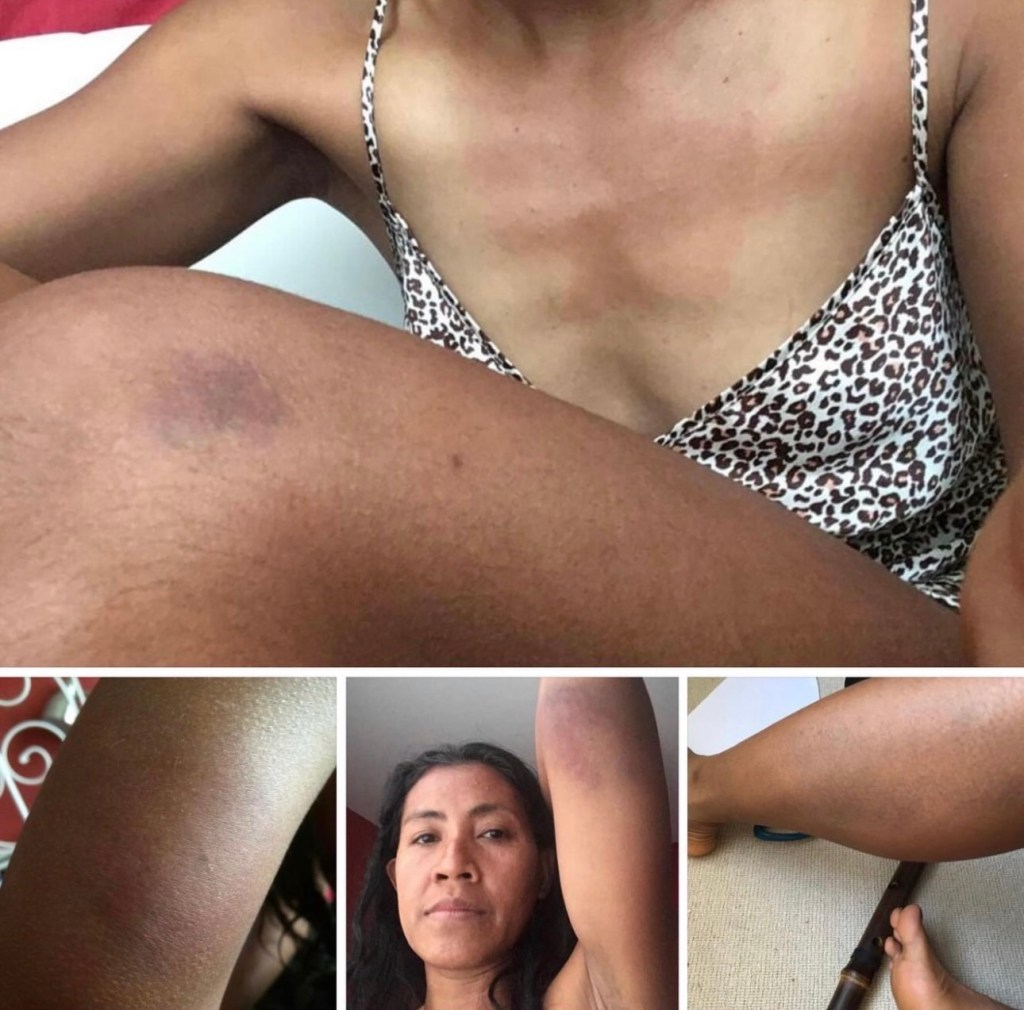
wedding and divorce in #muslim culture in the south east asia
Bullies are cultural – once you accepted it, it is embaded in you and your system for generations
its been over 25 years since my memory back and forth. And i decided the last few years to write up my experience. As i remember it, not more more likely less as getting older, my memory fading quicker than i would like to remember. At the same way tho, i am happy i am finally able to learn to forget, no, not forgiving as it seems, who am i anyway have so much pride thinking it is in my power to forgive. I myself sometime can not forgive myself. Let alone forgiving others.
Not much i remember from that day when i was crying in the school playground with throbbing genitalia and bleeding underpants, while i was rubbing my eyes barely able to think between my tears and chestache and throat that felt as if i swalowed a tennis ball, and refused to be touched or talk to anyone anymore until my mum in her brown folded skirt came and shout to the people on top of her voice. I just said “i wanna go home, i wanna go home”
then we scoot off in her old yamaha scooter, to the peditricion i normally see, and my chest started again unable to speak.
but before that, children pushed me on the wooden slides.m, step on my hands while i was hanging on the monkey bars while they climbing up and stomped on my fingers, and the pushed on the swing that the wooden swing swung back on my head. Again, i wasnt able to speak. but i am used to that. used to being bully of not sure what was qrong with me. perhaps i climbed so fast to the too of the slides that overrun everyone. perhaps i was swinging so quickly like a monkey between monkey bar. perhaps i swung so highly as daredavis nearly as high as the top pole they pushed me. perhaps…
but it was continue until slightly after. the hiding of my stationary. the pull of the chair that i sat on the floor. or when my teacher called me for the year 6 to tell the entire classes of the capital town on each places on the map when i was year 4. And were asked whether i would like to sat and join exam with the entire of year 6. Oh – i was already skip a grade by then. And i didnt like the way the entire classroom looking at me, so I said to the teacher “no sir, please can i get back to my classroom and to my friends?” That day my classmates played kasti or similar to baseball game at the shared playing field with a accounting high school and teaching high school. He nodded his head, so i straight went out with my pe kits (i wasnt even in my normal school uniform when my geography teacher asked me to showed in the unmarked map where were the capital towns of each 27 provinces of indoneaia and the neighbouring asean)
Funnily loads of people whom did it to me were female, and few loud male and obviously very smart and intelligent male. I learned from my journey to see human person to person, not their batches not anything else.
nowadays after i was suspected to might have ms – with bones issues and fibromyalgia and neurondysorder and stomach issues, and copd asthma for over 2 decades, getting bullies or watching others being bullied are so draining. It often times makes my stomach vomit which by now know which vomiting are physiological and which vomiting psychological reaction.
later also i knew from psychology of the people with diffentciation – bullies whose doing it repeatedly are pathological – and tend to by the end violated others with or without violance.
when i was older, and i realised many time i missed schools where my paediatrician said mostly all the time “overtired” which now i knew was burnt out, once i considered as strange. why only me felt overtired – while the entire school doing the same course of works, the same pe, the same exams. despite their efforts outside the school, how many hours they spent on studying, how many hours i use to keeping up, and work towards, why its different.
then when i was 14-15 i was told to tell my class teacher i had to tell them i had to rest every 120 minutes, cooling off my sensory, taking a break on my own – can be to library, running around my self etc, for 15 minutes. can i do it? he asked. i said i’ll try. but i actualy never told them. the year after i had to be hospitalised, again, which meant i missed another 7 days off school at least. then he sent letter had to hand over to my class teacher. then to headmaster. then everything changes, but yet the same.
Later on in life i learned through the 98 movement, bullies also structurised and systematical, can be resurfaced as those in uniforms or not, those serving as civil servants or not, and needs only a little bit of gaslighting to make a combustion. these, are the worst yet the most succesful of the most strategic bullies leadership. Unfortunately as soon as we normalised it, it is then rooting generation into generation to make a point of how these way had been succesful to reach each goals.
how not to?
i dont know. i am just an observer, remember? i am the insignificant non verbal and often to be called “too sick to continue the entire examl – “too ifnorant and not so clever to understand everything.” But i know genuine froendships, and i learned some of my good friends are the louds one whi speak up before i understand what was going on or before i was able to compose my words to defend myself or those who stopped them to even get close to me.
i also learned some with uniforms also stand uo against the same things we were fighting for, as well as those in the system. So why its so the same recently in england and in Indonesia, where did i do wrong after so ling manage to hid myself between the mundane things and enjoying dojng ligtle things between the big insignificantly significant things?
i dont know.
They never found who raped me.
i still remember what he did.
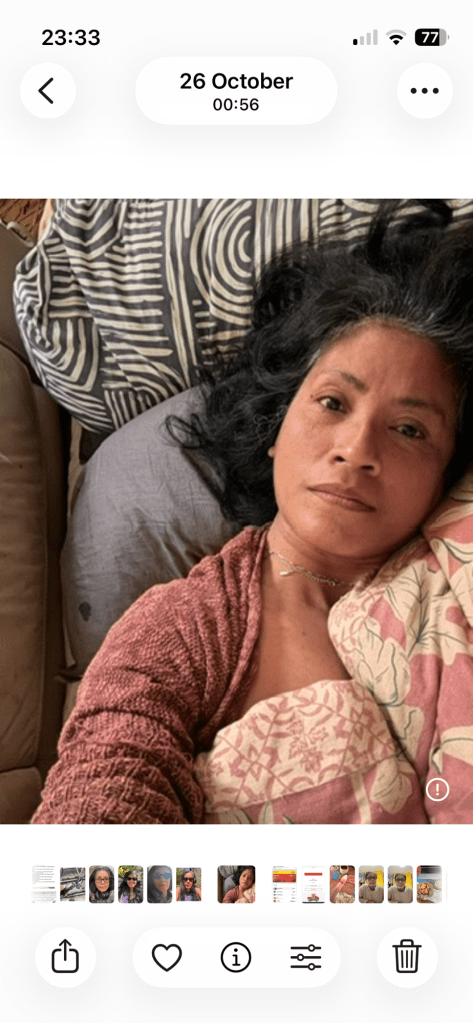
Patcha Mama – cocoa ceremony
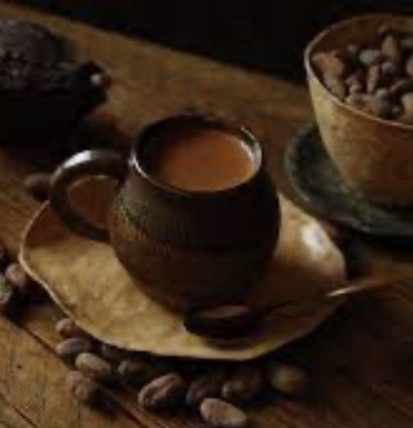
It is another name for an ancient tribal usage of cocoa for certain ceremonies, that most of the time to induce feeling of compassion if not sexual love. But it is beyond the superficial love. Well at least that is what I think.
The content of cocoa – as you know, including certain chemicals that hits the high notes of your brain excretion to induce feeling good, I forgot what’s the name. Similar to after having sex, if you had been having sex before, and if you under age, well you might have to leave this page for now 😊
Or similar but not so similar to after workout. More similar to when you are cuddling with your pets or family, around friends you likes, or tending your plants, or doing your hobbies that does not connected to having sweat, except having sex 😊 which most of people I knew said involved with having sweating.
Well, see where I see the character of cocoa powder, which similarly but different than coffee. Coffee give a punch, and a rest, and a punch again to hit straight to the point of the high tint notes on the brain, make everything clear, and then gave a crates after to relax. It’s slightly different, but yet the same.
So when someone offered me for tea ceremonies, or coffee ceremonies, or cocoa ceremonies, it is having some sense of ritual, of the respect to the growers, the tenders, the keepers of these knowledges to still alive until now. So hence when – I love Bali so much, but yet in that particular moment of patcha mama ceremonies, wrapped so touristy with flashy place flashy parties, and I feel I lost the essence of the ceremonial the actual character of itself. Instead it becomes the speed dating test – if you feel you like after taking a sip of your matcha mama to straight to look into the eyes of the person next to you, then said your name and maybe touch each other” – next round “take a sip and mingle again and stop, touch someone next to you and if you start feeling it you can touch the person, kissed them or…” – then I leave the room.
Patcha mama is perhaps can be felt for such things, perhaps it is to some extend. But why I feel offended? Of the way it was used, as if it pulled out of the essence to the marketing gimmick? Or perhaps not, it was what other people want, but using different …
I am sorry – I don’t know what or how to say –
Now I wrote these as I do not know my children are, and I would like my children here but since I don’t have it should I use the patch mama instant to find anyone closest to me and just grab it in the next few second? Well, the is how the rudest thing I could explained how it feel. Again, I am just a crude person, apologise.
between #taliban bomb and #sightseeing #leisure translating
My name is Iir, I am a linguist, educational psychologist, and yoga teacher. I had been a self employed since I was 22. registered under my name as the umbrella activities. This is a brief note on regard of being a translator.
I had stumble into a sensitive notes way too young before I was able to understand what it might have had been or having implication to my long term life on earth. It was on the difficult time of changes time of presidency in 1997-1999 I had been translating for a scribble about molotov bomb which were put into my book borrowed from university library. The person I was talking to and asked me to translate it, as I had been telling him about the scribble I found, were now had been passed away. But that is not the point of this writing but rather a kind of gist to other translator/interpreter if when they did not fully comprehend the extend of what possibly the ‘hazards’ of the job 🙂 if any.
there are one of the most are, the risk of possible stumble into documents or statements you were not comprehend fully that time but later on when you have much more flying hours to documents or people or files, or which were comprehend by other people whom much more informed or and understand about the matters. In those moment, don’t hold your breath. Just pretend you still know nothing 🙂
second, know that to some extend, when the work become formalized rather than the “casual translating” – it could come without saying the security clearance needed and follow up until the case is close. it meant – does not necessarily police but can be higher clearance needed ro access or to do anything to any details of work. in one of the sitting lecture i managed to attend used to be said – it comes without saying once you agreed assumed you already know the pro and con of the task, and hence amongs others are…
last, when you stumble into some strange content especially one that make your sromach churn, to do something straight away. when iw as offered #appen from Linkedin for translation job and linked to their app, i refused to download their app but use the site instead. appen offered me many jobs project in which started building up in my dashboard, but nothing actually materialised that gave me any actual work hence get oaid from. one day they offered me meekong and morningstar project, and another project.
in the ofher project it said i have to learn my material before the exam. the material sent were random files from pictures, audi, written information of clips news, books, audio files, pieces of conversation etc etc. i then scrolled of those pages and pages until i stumble into a picture with bckground of language i knew.
not far after i found coordinate of place i seem to know. but it was not written as notrmal coordinate. i found at least three of them the same similiar. i googled it and found tugu tani, bunderan HI and cikini.
triangulate it, i then open US embassy page all night, signed out appen and never get back online with that account ever again since.
Conflict and war in the Babad Tanah Jawi
several #notes to #babadtanahjawi is the existance of the mighty weapon hold by the mighty people that in the wrong hand brought its own curses. i guess like every things in this world, around that era what so important believed to be carrying its own pamor (stealth/strenth) in its own creation.
as babad tanah jawi were created in the name of the mataram islam reaching toward the java from previous encounter with semenanjung malaka (malaca peninsula) and went firther into ternate and tidore – the existance of the books and its story believed carrying its own weight and pamor.
two of the famous weapon, other than other weapons often mentioned in the scripture that often followed by those “ancient weapon hubter” or collector both inside and outside of the archipelago. the exostance of it, despite known or not, if not disapeared are now on the holdong of the kasultanan palaces acrsoo java, more likely in the Amangkurat, Pakubuwono or Hamengkubowono.
Raden Mas Kober or what famous as Setan Kober hold by its owner as the fastest weapon ever able to be used by its owner as it os looked like a fire flicker in the wind. the Mpu Gandring kris created for the king of that era – tungguk ameting were used to killed the maker, married his daughter, then being killed by other man and in between the sons of these two men killing each other, before cooled down with the Mojopahit and its story.
of course its not only it is – however it is also known the sunan kalijaga whose called lemah abang can bend the weapon by his hand and as a stratrgic leader. despite the disputes what created him being beheaded with pangeran Jipang (jipang prince) – it was told he was not put any fight when he was told he would be beheaded.
on the #note of #banadtanahjawi and #localfolklore
thanks for #cambridge #unitedkingdom and everyone of you for the last 8 years to make me hnderstand what level of human i am

